E-Waste Removal Services: Optimizing Your Recycling Efforts for a Greener Tomorrow
E-waste collection services are transforming the way individuals and organizations handle recycling. These services simplify the disposal process while adhering to environmental standards. They not only reduce the burden of transporting large electronic items but also contribute to sustainable practices. As more consumers seek eco-friendly solutions, understanding the nuances of these services becomes essential. What factors should one consider when choosing an e-waste pickup provider? The answer may surprise you.
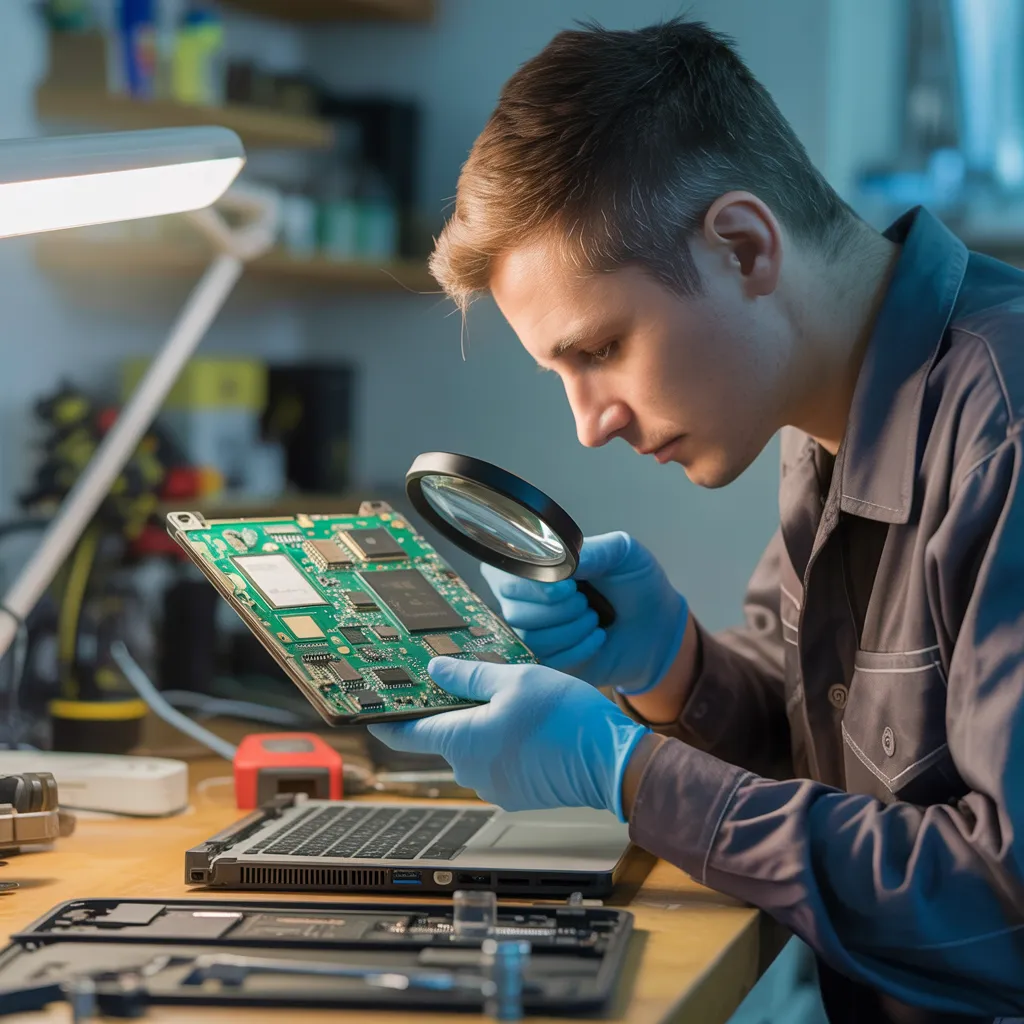
How E-Waste Pickup Addresses Environmental Impact
E-waste pickup services serve a critical role in lessening the environmental consequences of disposed electronics, as they enable the proper disposal and recycling of dangerous substances. These programs help stop toxic substances, such as lead, mercury, and cadmium, from polluting soil and water sources. By effectively collecting and moving e-waste, they ensure that dangerous components are managed in compliance with environmental guidelines.
Furthermore, e-waste collection programs encourage material recovery by diverting high-value materials, namely gold, copper, and silver, into the production cycle again. This minimizes the need for freshly sourced raw materials, thereby protecting natural resources and decreasing the consumption of energy connected to mining and material processing.
Furthermore, these services boost community awareness about the critical nature of responsible e-waste management, inspiring people and organizations to participate in environmentally responsible practices. In general, e-waste removal services greatly support a safer and cleaner environment by addressing the concerns resulting from electronic waste.
Perks of Using E-Waste Collection Services
E-waste collection services provide significant advantages for homeowners and organizations alike. These solutions offer flexible collection solutions, simplifying the disposal of old electronics. Moreover, they ensure eco-friendly disposal methods, contributing to the reduction of ecological damage caused by e-waste.
Flexible Collection Methods
When individuals and businesses seek to responsibly dispose of electronic waste, utilizing Reach out pickup services offers a seamless solution. Such services supply adaptable collection choices that accommodate various timetables and demands. Clients can often choose from flexible pickup times, accommodating both residential and commercial locations. This does away with the necessity of moving cumbersome equipment to drop-off centers, conserving significant time and resources. Additionally, many e-waste pickup providers offer same-day or scheduled appointments, enhancing accessibility. By simplifying the collection procedure, these services motivate more individuals to recycle their electronics, significantly lowering the environmental footprint of e-waste. The ease of scheduling and collection promotes responsible disposal, making it a practical choice for those looking to contribute to a greener future.
Eco-Friendly Disposal Methods
Utilizing electronic waste collection services guarantees that electronic devices are managed with environmental responsibility. Such services are experts in managing multiple categories of electronic waste, ensuring that toxic materials, such as lead and mercury never reach landfills. By employing certified recyclers, e-waste collection providers support resource preservation via the reclamation of valuable materials, reducing the need for new raw materials. Moreover, such services frequently adhere to local and international regulations, promoting sustainable practices. Companies and individuals benefit from the practicality of planned pickups, alleviating the burden of transporting bulky items. Ultimately, choosing green disposal options through e-waste pickup providers cultivates a mindset of sustainability, supporting mindful consumer practices and decreasing environmental harm.
What Are the Expectations for E-Waste Pickup?
What should one anticipate during an e-waste pickup? Customers can look forward to an efficient process focused on ensuring responsible e-waste recycling. At the outset, a scheduled pickup time will be established, making it simple to plan accordingly. During the scheduled pickup, a professional team will show up ready to manage numerous types of electronic equipment, ensuring secure transport and a hassle-free process.
Users need to prepare their e-waste by categorizing the items to be picked up, as this helps streamline the collection process. The pickup team may provide guidance on what materials qualify and what do not. Safety measures are often in place, including protective gear and proper handling techniques for dangerous materials.
Additionally, transparency is key; clients may be provided with a confirmation or receipt of the items collected, strengthening the dedication to ethical disposal. Overall, the e-waste collection service is designed to simplify the e-waste recycling experience while encouraging eco-friendly practices.
Key Criteria for Selecting an E-Waste Pickup Service
What steps can someone take to ensure they select the best e-waste pickup service? Choosing the right service demands thorough evaluation of a number of important factors. Initially, one must ensure the service holds the necessary certifications and meets local and national environmental requirements. This confirms that e-waste is processed in full compliance with legal and environmental guidelines. Next, one should assess the company's reputation through customer reviews and testimonials, providing insight into their reliability and professionalism.
Moreover, considering the breadth of services available can be helpful; a complete service could encompass data destruction, recycling, and refurbishment alternatives. Additionally, transparency in pricing is important; transparent, upfront pricing helps prevent surprise charges. In conclusion, evaluate the organization's responsiveness and customer support, as open communication promotes a more efficient pickup encounter. By prioritizing these factors, organizations and individuals can reliably choose an e-waste collection service that matches their environmental objectives.
How to Schedule Your E-Waste Pickup?
When is the best time to schedule an e-waste pickup? Choosing the right time can have a major impact on the overall efficiency of the recycling process. For best results, people should look into scheduling pickups on weekdays when service providers tend to have greater availability. Opting for early morning or late afternoon appointments can be advantageous, as traffic is usually lighter during these windows, resulting in more efficient service.
Furthermore, forward planning is important. Users are advised to reserve pickups multiple days in advance, particularly throughout peak periods or community collection events. This confirms that the preferred service can address individual needs and expectations.
Additionally, coordinating the gathering with routine home tasks or organization activities can optimize the procedure. By organizing the electronic waste pickup with everyday routines, people can create a more seamless and practical recycling experience. Ultimately, deliberate timing promotes a smoother e-waste recycling experience, cultivating a dedication to long-term environmental stewardship.
What's Next for E-Waste Recycling?
As the e-waste challenge becomes increasingly severe, advancing recycling innovations stand ready to reshape the landscape. Projected legislative updates are likely to bolster recycling programs, while groundbreaking collection strategies aim to simplify e-waste disposal. Together, these developments could greatly improve the efficiency and effectiveness of e-waste recycling practices.
Next-Generation Technologies in Recycling
Advancements in technological development are expected to transform e-waste recycling, improving sustainability and efficiency. Advanced robotics and automated sorting systems are increasingly being integrated into recycling facilities, enabling the accurate segregation of valuable materials from electronic waste. AI technology serves a vital function in enhancing these procedures, enabling real-time decision-making and improving recovery rates. Moreover, emerging methods such as biotechnological methods and hydrometallurgy have the potential to recover valuable metals with reduced ecological consequences. Distributed copyright technology has also been considered for overseeing e-waste during the recycling process, ensuring transparency and accountability. As these technologies evolve, they will markedly reduce the environmental impact of e-waste disposal, creating a foundation for a more environmentally responsible future in e-waste management.
Policy Updates Coming
Lawmakers are preparing to introduce substantial legislative measures aimed at enhancing e-waste recycling practices. Such efforts aim to confront the increasing challenges related to electronic waste disposal and its ecological consequences. Proposed regulations include stricter guidelines for manufacturers related to overseeing product end-of-life processes, pushing them to prioritize recyclability in design. Additionally, incentives for consumers to hand in outdated electronic products are actively being explored, fostering a culture of responsible disposal. Officials may further expand budget allocations for recycling programs, aiming to expand access and efficiency in electronic waste gathering. Through encouraging openness and responsibility within waste management operations, policymakers hope to reduce landfill contributions and improve resource recovery, thereby paving the way for a greener strategy to electronic waste management in the future.
Advanced Collection Techniques
Reimagining electronic waste collection approaches is critical for enhancing recycling efficiency and accessibility. Emerging technologies, such as mobile apps, support convenient retrieval services, allowing consumers to schedule convenient collection times. Additionally, partnerships with local businesses and community centers create dedicated disposal sites, improving recycling accessibility. Smart receptacles fitted with monitoring technology can assess storage capacity, guaranteeing prompt pickups and minimizing operational hurdles. Additionally, reward-based approaches encourage participation by recognizing and compensating recycling contributions from individuals and groups. Such innovations not only simplify the gathering procedure but also promote understanding of proper electronic waste management. As these innovative methods gain traction, they promise a more sustainable future for e-waste recycling, and ultimately supporting a more sustainable world.
Questions We Often Receive
What Types of E-Waste Are Accepted for Pickup?
E-waste pickup services typically accept items such as aging computers, televisions, mobile phones, tablets, printers, and a range of electronic accessories. These programs work to properly recycle and manage electronic equipment in a sustainable and responsible way.
What Fees Are Associated With E-Waste Pickup Services?
Costs for e-scrap retrieval services can vary according to location and the category of electronic devices being gathered. Certain providers may offer free pickups, while other providers may impose costs depending on the quantity or particular electronics.
How Is Data Security Ensured During E-Waste Disposal?
Data security during e-waste disposal is guaranteed through processes like secure data erasure, physical demolition of storage media, and verification from certified recyclers, protecting confidential information and blocking unauthorized access to private and business data.
Can Businesses Use E-Waste Pickup Services Too?
Absolutely, companies can make use of electronic waste collection services. Such services are tailored to meet the needs of organizations, providing efficient collection and recycling of electronic equipment while encouraging eco-friendly practices and compliance with regulations regarding safe e-waste management practices.
What Occurs with E-Waste Once It Has Been Collected?
When e-waste is picked up, it is sorted for recyclable materials, followed by dismantling and processing. Harmful components are responsibly disposed of, while salvageable metals and plastics are given new purpose, playing a vital role in sustainable resource management efforts.