Sustainable Solutions: How E-Waste Recycling Services Are Saving Our Planet
E-waste represents a considerable hazard to the environment, as disposed electronics frequently harbor hazardous substances. These hazardous substances can contaminate soil and water, leading to broader ecological damage. E-waste recycling initiatives provide a practical answer. They successfully retrieve useful resources while simultaneously minimizing environmental pollution. Gaining insight into how these programs function and affect local communities is critical. The path to successful electronic waste management prompts vital discussions about personal accountability and communal efforts. What measures can be pursued from this point onward?
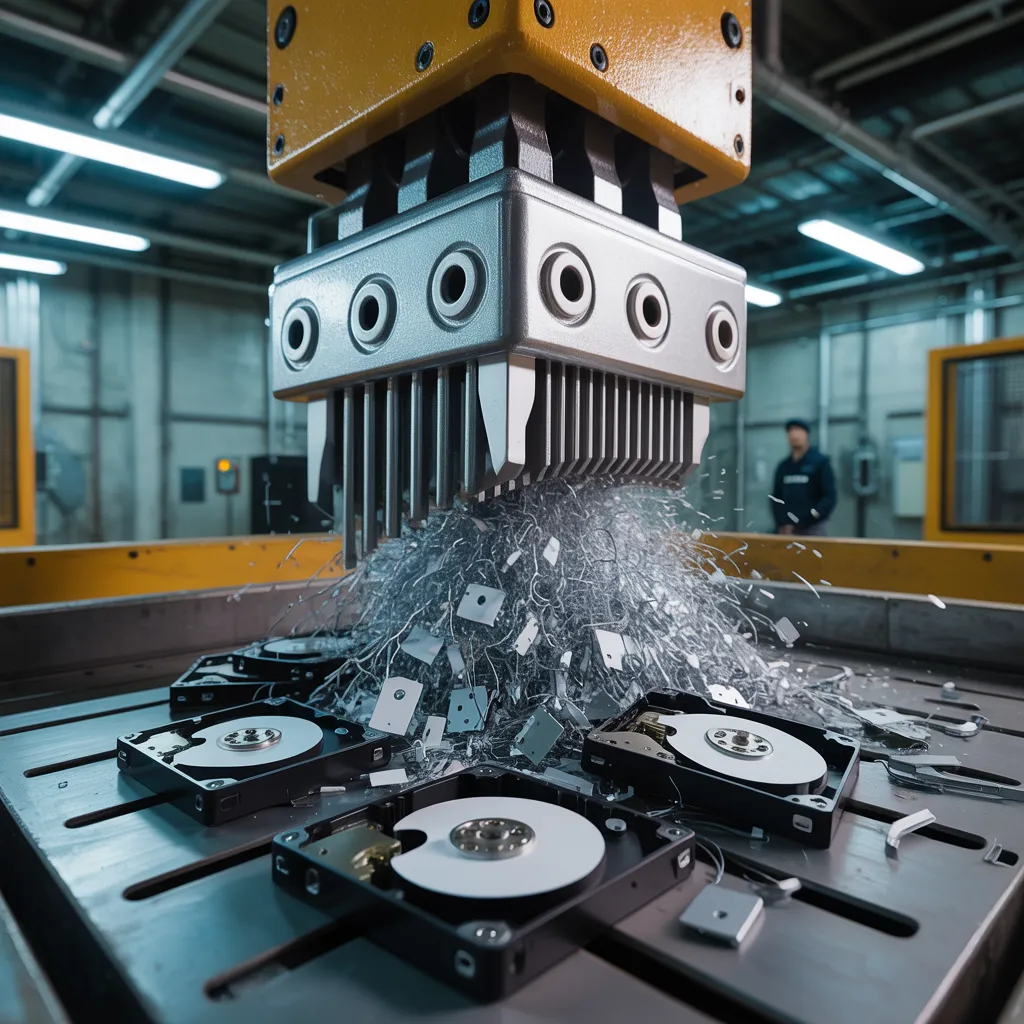
How E-Waste Is Hurting the Planet
Even though technology enriches modern life, electronic waste presents significant environmental threats. Disposed electronic equipment, commonly laden with dangerous compounds like lead, mercury, and cadmium, can leach toxins into the surrounding soil and water supply, creating hazards for human health and ecosystems. The swift progression of technology leads to higher rates of electronics disposal among consumers, worsening the buildup of e-waste.
Landfills, already overwhelmed with refuse, find it difficult to handle the increasing amounts of discarded devices. Incineration, another disposal method, releases harmful pollutants into the atmosphere, contributing to air quality degradation. In addition, improper recycling practices can lead to the exportation of e-waste to developing countries, where laborers may dismantle devices without adequate safety measures, exposing themselves to dangerous substances. This ongoing cycle of carelessness and inadequate management emphasizes the pressing necessity for responsible recycling initiatives that can lessen the harmful consequences of e-waste on our world.
Understanding E-Waste and Its Significance
Electronic waste, commonly known as e-waste, comprises obsolete electronic products like smartphones, computers, and televisions that are no longer functional or needed. This increasingly prevalent form of waste is important due to its rapid accumulation, fueled by innovation in technology and shifting consumer habits. As growing numbers of electronics become outdated, the environmental impact intensifies, with dangerous elements including lead, mercury, and cadmium threatening both ecosystems and public health.
The significance of tackling e-waste extends beyond minimizing these risks to recognizing the valuable resources it holds. Valuable metals and rare earth materials can be extracted and repurposed, lessening the demand for mining and preserving natural resources. Through a deeper awareness of e-waste and its consequences, both individuals and organizations can make well-informed choices regarding disposal and recycling, thereby supporting a more sustainable future. Proper management of e-waste is essential for fostering a circular economy and promoting environmental stewardship.
How E-Waste Recycling Works
Recycling e-waste involves a structured approach designed to recover valuable materials while limiting ecological damage. Initially, discarded electronics are retrieved and sent to specialized recycling facilities. Upon arrival, the devices undergo thorough sorting to separate hazardous components from recyclable materials.
Next, employees break down the items, extracting metals, plastics, and glass. This stage is crucial, as it facilitates the recovery of rare metals like silver, gold, and copper, which are repurposed in new electronics.
Following this, the divided materials are refined via sophisticated techniques, such as shredding and chemical treatments, to prepare them for recycling.
In the final step, the leftover hazardous waste is handled with responsibility, complying with environmental guidelines. This comprehensive process not only saves important resources but also minimizes the hazards linked to improper e-waste disposal, guaranteeing a greener future for electronic device usage.
The Benefits of E-Waste Recycling for You and Your Community
Though many people are unaware, the advantages of e-waste recycling extend beyond personal convenience to positively impact entire communities. By properly recycling electronic waste, individuals contribute to a cleaner environment, decreasing toxic components that can leach into soil and water. This forward-thinking practice actively safeguards local ecosystems and promotes public health.
Additionally, electronic waste recycling supports workforce growth within communities. Local recycling facilities often require personnel for various operations, spanning collection through processing, thus generating valuable job opportunities for local residents. This not only boosts the local economy but also inspires community dedication to sustainable efforts.
Additionally, understanding of e-waste recycling has the potential to generate community outreach programs, enabling residents to embrace sustainable practices. By taking part in e-waste recycling programs, individuals foster a culture of sustainability, prompting others to join the movement. Overall, the shared impact of these actions can result in a more robust and eco-friendly community.
Tips for Choosing an E-Waste Recycling Service
Choosing the most suitable e-waste recycling service is essential for making sure that electronic waste is managed responsibly and sustainably. To begin, consumers should verify the company's credentials, such as R2 and e-Stewards certifications, which signify conformance to established benchmarks for safe recycling practices. It's also important to examine the company's standing by reviewing feedback and looking for referrals from reliable sources.
Furthermore, clarity in the recycling process is essential. A dependable company should provide clear information about the way e-waste is handled and what happens to the materials. Furthermore, assessing the variety of services available can be advantageous; some companies may provide pickup services or offer incentives for recycling.
Finally, being aware of area-specific requirements for e-waste disposal can additionally influence the decision-making process. When these considerations are given priority, individuals can contribute to effective e-waste management while supporting sustainable environmental efforts.
How You Can Get Involved in E-Waste Recycling?
Participating in e-waste recycling can start at the local level, where recycling centers regularly supply essential services for responsible disposal. Additionally, taking part in community awareness campaigns can enhance efforts to inform others regarding the importance of proper e-waste handling. Such efforts not only promote sustainability but also cultivate a collective sense of responsibility toward the environment.
Local Recycling Centers
A wide range of local recycling centers fulfill a critical purpose in the recycling of e-waste, supplying communities with reliable ways to dispose of electronic waste responsibly. These stations receive a selection of digital devices, including used computers, handheld devices, and televisions, verifying that toxic materials are disposed of safely. Many hubs feature qualified professionals who are able to assist individuals with correct disposal techniques, highlighting the value of recycling rather than landfilling. Moreover, many centers offer organized drop-off opportunities or appointed collection periods, making it easy for residents to participate. By taking advantage of these neighborhood resources, individuals contribute to a circular economy, decreasing environmental damage and advancing sustainable approaches. Working alongside these hubs encourages communities to fight e-waste pollution decisively.
Public Awareness Initiatives
Nearby organizations, schools, and enterprises can partner to arrange initiatives that encourage e-waste collection drives. Volunteers can play a pivotal role in raising awareness, sharing informational resources, and connecting with local residents. As a result of these combined actions, local inhabitants gain greater awareness and encouragement to properly recycle their e-waste, thus playing a meaningful role in Continue reading creating a more environmentally responsible future.
Questions We Often Receive
What Types of Electronics Can Be Recycled?
A wide range of electronics are able to be recycled, including laptops, televisions, smartphones, printers, computers, and gaming consoles. In addition, accessories such as keyboards, mice, and batteries are equally appropriate for recycling, aiding in eco-friendly conservation initiatives.
Do Any Costs Come With E-Waste Recycling?
Indeed, e-waste disposal may involve costs, subject to the facility. Certain providers apply costs for collection or processing, while others provide no-cost solutions, typically funded by the sale of reclaimed components.
How Can Businesses Benefit From E-Waste Recycling?
Businesses can benefit from e-waste recycling by reducing disposal costs, strengthening their ecological standing, adhering to regulatory requirements, extracting valuable resources, and possibly earning income through resale, thereby fostering a more environmentally responsible business approach.
What Occurs with Data on Recycled Devices?
Details regarding recycled devices is frequently permanently erased or obliterated during the refurbishment process. This confirms confidential data is kept safe, stopping improper access while allowing resources to be reused carefully and ethically within new applications.
Are Broken Electronics Eligible for Recycling?
Absolutely, broken electronics may be recycled. Many recycling centers process damaged devices, providing proper disposal and retrieval of recoverable materials. This helps reduce harm to the environment while encouraging sustainable recycling habits to address e-waste effectively.